
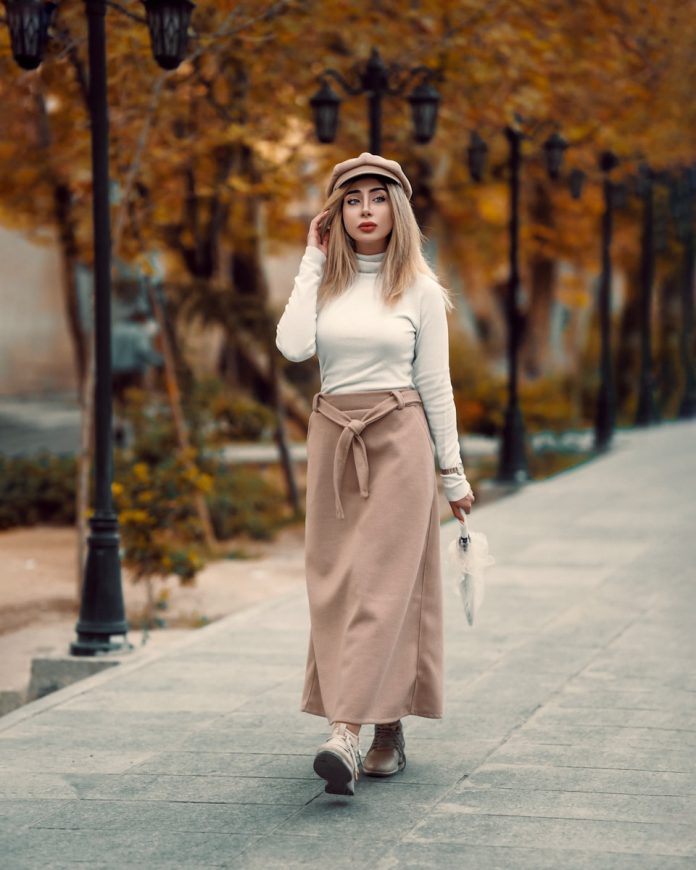
There’s a certain magic in the details — the flicker of gold at a wrist, the weight of a statement earring, the flash of a silk scarf caught in motion. Fashion, at its core, is not about what you wear but how you wear it. And nowhere is that truer than in the art of accessorizing. Accessories are the punctuation marks of style — they finish the sentence, emphasize the emotion, and sometimes even rewrite the story entirely.
Every stylist knows that the difference between “put together” and effortlessly stylish often lies in accessories. They can transform a plain outfit into a statement of confidence, turning simple fabrics into narratives of personality. Accessorizing isn’t just decoration — it’s communication. It’s how we tell the world who we are, or at least who we want to be that day.
From Ornament to Identity: A Brief History of Adornment
Long before accessories were hashtags and fashion week features, they were tools of meaning. Across civilizations, adornments carried power — social, spiritual, and personal. In ancient Egypt, amulets were worn for protection; in Rome, brooches held togas in place while signaling wealth and status. Even before fashion existed as we know it, humans have always reached for ornament — beads, feathers, shells — as extensions of identity.
The modern accessory still carries that ancient impulse: to elevate the self through adornment. What has changed is our understanding of what it means to “dress up.” In an era of capsule wardrobes and minimalism, accessories have become the key to reinvention — proof that a single wardrobe can contain infinite personalities.
A white shirt might whisper simplicity one day and scream sophistication the next, depending on whether it’s paired with pearls or layered gold chains. The accessory, in this sense, is the modern heirloom of individuality — a small object with oversized meaning.
The Power of Transformation
To understand why accessories matter, imagine two identical black dresses. One is worn alone — sleek, understated, maybe forgettable. The other? Styled with a wide belt that cinches the waist, bold earrings that frame the face, and ankle boots that shift the mood from formal to rebellious. Same dress, completely different energy.
That’s the alchemy of accessorizing. It’s not about excess or extravagance — it’s about transformation. Accessories allow you to remix, reinterpret, and reimagine your wardrobe endlessly. They invite playfulness into everyday dressing.
This is why stylists and editors often advise investing in timeless basics — the plain T-shirt, the tailored blazer, the classic jeans — and then building personality through accessories. Basics act as the canvas; accessories are the paint.
Whether it’s layering delicate necklaces for subtle texture, stacking bangles for a sense of rhythm, or adding a patterned scarf for a pop of narrative, accessories create dimension. They give life to simplicity, turning everyday wear into a personal statement.
Confidence in the Details
What makes accessories so powerful isn’t just aesthetic — it’s psychological. Studies in fashion psychology show that small, intentional styling choices can boost confidence. The act of adorning oneself, even subtly, sends a signal to the brain that says, I am ready to be seen.
That’s why the right accessory can shift not only your outfit but your energy. A pair of bold hoops might make you feel fearless. A structured leather bag might help you move with purpose. A vintage ring might connect you to memory, grounding you before a big day.
Fashion has often been dismissed as superficial, but accessories reveal its deeper emotional truth: we dress not just to impress others, but to align ourselves with how we want to feel.
Building Your Accessory Arsenal
Turning basics into bold statements doesn’t mean owning a closet full of glitter. It’s about mastering proportion, color, and context. The best accessorizing is intuitive, but it also follows a few enduring principles.
Balance is everything.
A statement piece needs space to breathe. If you wear large earrings, skip the chunky necklace. If your handbag is bright and sculptural, keep the rest of your look understated. Accessories should speak, not shout over one another.
Mix materials and textures.
Contrasting surfaces — silk with metal, leather with pearls, linen with beads — create visual interest. Texture gives an outfit depth, especially when working with neutral tones.
Play with scale.
Oversized accessories can elevate even the simplest silhouette. A dramatic cuff on a bare wrist or an oversized tote with casual denim creates an editorial feel without much effort.
Layer with intention.
Layering jewelry has become a modern art form. Combine fine chains of different lengths or stack rings with varied shapes. The goal is harmony, not uniformity — an expression that feels curated, not cluttered.
Let one piece lead.
Whether it’s a scarf, a pair of shoes, or a bold necklace, choose one hero accessory and let everything else complement it. Style works best when it feels cohesive, not competitive.
These guidelines aren’t rules so much as rhythms. Once you understand them, you can break them — because great style always carries a touch of rebellion.
The Modern Mood: From Minimalist to Maximalist
In today’s fashion landscape, accessorizing is as much about mood as it is about matching. Minimalism and maximalism coexist — sometimes within the same outfit.
For the minimalist, accessories are about quiet power: thin gold hoops, monochrome handbags, a single silver bangle that catches light. Every choice is deliberate. The appeal lies in restraint — in how less can say more.
For the maximalist, accessories are a playground. Patterns, color, and texture coexist in joyful excess. Think chunky resin rings, layered necklaces, embroidered handbags. Maximalist accessorizing celebrates abundance, using contrast and whimsy as self-expression.
Neither approach is “right.” What matters is authenticity — choosing pieces that resonate with who you are. The minimalist and the maximalist share the same goal: turning the ordinary into something unforgettable.
The Cultural Language of Accessories
Accessories don’t just transform outfits; they carry cultural weight. The headscarf, the bindi, the cowboy hat, the sneaker — each has traveled through history as both a practical object and a cultural emblem.
Fashion critics often note how accessories act as shorthand for identity. A beret might whisper “Parisian chic.” A pair of Doc Martens might suggest punk rebellion. Even something as small as a brooch can carry intergenerational meaning — a grandmother’s heirloom reimagined on a modern lapel.
In this sense, accessorizing becomes a dialogue between past and present. It allows us to honor heritage while expressing individuality. A silk scarf printed with vintage motifs, a handcrafted bracelet from a local artisan — these objects connect us to larger stories, reminding us that personal style is always cultural at its core.
Sustainability and Sentiment
In a time when fashion’s environmental footprint is under scrutiny, accessories offer a sustainable way to refresh style without excess consumption. Instead of buying new wardrobes each season, thoughtful accessorizing allows one to reimagine what’s already owned.
Vintage jewelry, upcycled handbags, or locally made artisan pieces not only reduce waste but also add soul to style. A well-loved leather belt or an inherited pendant holds something fast fashion never can: memory.
Sustainable accessorizing isn’t about aesthetic compromise — it’s about meaning. Every piece carries a story, and that story is what makes it beautiful.
Accessorizing as Self-Portrait
Ultimately, accessorizing is more than decoration — it’s identity in motion. It’s the art of seeing yourself in small, shining details. Each piece you choose — whether a delicate chain or a flamboyant hat — is a brushstroke in your visual autobiography.
When we step out the door, we’re not just dressed; we’re composed. Our accessories tell our story before we speak — who we are, where we’ve been, and what we believe in. And that’s what makes fashion endlessly human.
Turning basics into bold statements isn’t about following trends or copying influencers. It’s about presence — the quiet confidence that comes from knowing you’ve shaped your own aesthetic language. Accessories are not the extras in your story; they’re the emphasis, the rhythm, the heartbeat.