

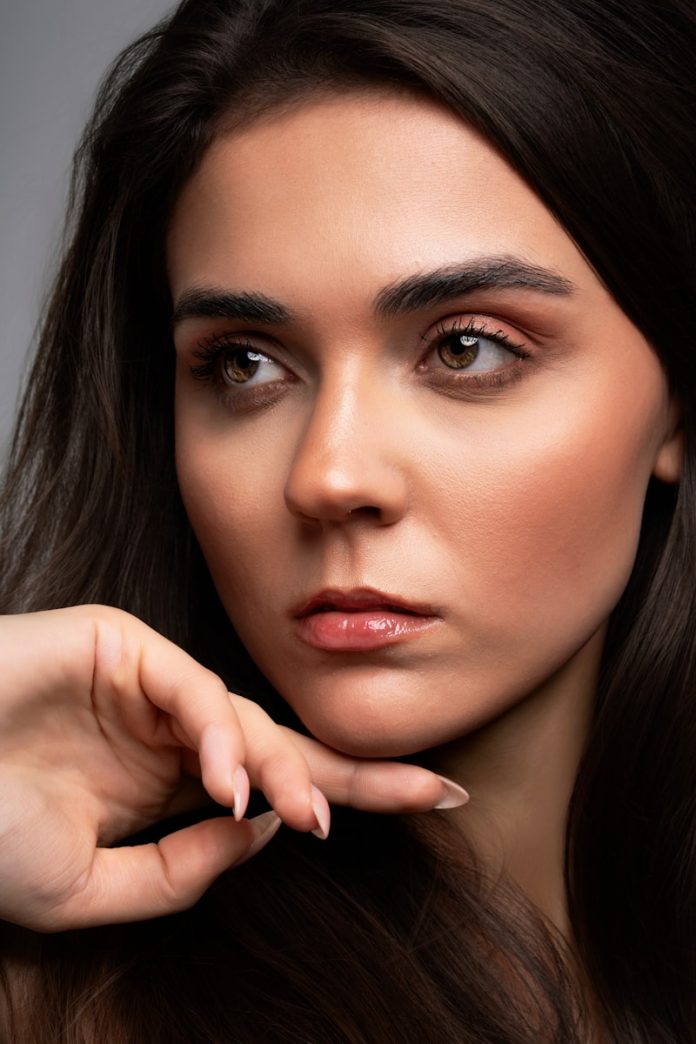
Walk into a cosmetics store today and something feels different. The aisles once divided sharply between pink-packaged perfumes and dark-toned colognes now blur together. Skincare serums sit beside beard oils; foundations are organized by undertone rather than gender. Ads feature faces that defy categorization, celebrating individuality over conformity. What we’re witnessing isn’t just a shift in marketing—it’s a cultural reimagining of beauty itself. The rise of gender-neutral beauty lines reflects a deeper transformation in how we define identity, self-expression, and belonging in the 21st century.
Breaking Down the Beauty Binary
For much of modern history, beauty has been policed by gender. The cosmetics industry grew out of rigid social scripts: makeup was for women; grooming products were for men. Advertisements reinforced this divide—women were encouraged to soften and perfect, while men were urged to project power and control. The very design of products echoed this dichotomy: pastel palettes and floral scents versus black packaging and “sport” fragrances.
But society has changed, and so has the conversation about gender. The growing awareness of nonbinary, transgender, and fluid identities has expanded public understanding of what beauty can mean. Millennials and Gen Z—digital-native generations raised in a world of diversity and visibility—have rejected one-size-fits-all ideals. They see gender as a spectrum, not a rulebook. The beauty industry, once among the most gendered spaces in consumer culture, has begun to respond.
The Cultural Momentum Behind Inclusivity
The rise of gender-neutral beauty is more than a marketing trend; it’s part of a broader social evolution. Over the last decade, visibility for LGBTQ+ communities has grown exponentially. Pop culture figures like Harry Styles, Janelle Monáe, and Bretman Rock have blurred the lines of presentation, appearing on magazine covers wearing eyeliner or lipstick with effortless confidence. Their message is simple: beauty is for everyone.
This cultural shift has encouraged brands to rethink their approach. Instead of categorizing customers by gender, companies are focusing on skin type, texture, and tone—universal attributes that cut across identity. Products are increasingly marketed for “people,” not “men” or “women.” This language change may seem small, but it represents a fundamental reorientation: beauty as an inclusive experience rather than a segregated one.
Brands Leading the Revolution
Several pioneering brands have helped push this transformation forward. Fenty Beauty, launched by Rihanna in 2017, didn’t label itself as gender-neutral outright, but its inclusive shade range and diverse campaigns made it a global symbol of equality. Anyone could see themselves in Fenty’s vision. Similarly, brands like Milk Makeup and Glossier have embraced androgynous aesthetics—minimal packaging, universal formulas, and models who reflect a spectrum of gender expressions.
Newer players are even more explicit in their mission. Fluide, Non Gender Specific, and We Are Fluide proudly center queer identities and promote the idea that makeup is a tool of self-expression, not conformity. These brands don’t just sell products—they sell visibility. Their marketing features real people, not archetypes. They speak to individuality, not idealization.
Luxury brands have followed suit. Chanel’s Boy de Chanel line, launched in 2018, offered foundations, brow pencils, and lip balms marketed for men—but in truth, the line’s sleek simplicity appeals to everyone. Meanwhile, smaller indie labels have embraced truly gender-neutral branding from the start, often using sustainable materials and minimalist designs that focus on function and ethics over gendered aesthetics.
The Psychology of Universal Appeal
One reason gender-neutral beauty resonates so deeply is that it aligns with how people already experience self-care. Everyone, regardless of gender, deals with skin issues, aging, and the desire to feel confident. By removing artificial distinctions, brands are reconnecting beauty with its core purpose: care.
Moreover, consumers today value authenticity. They crave brands that align with their social values. Gender neutrality is not just about being progressive—it’s about honesty. It acknowledges that beauty routines have always been personal, fluid, and emotional. A moisturizer doesn’t need a gender any more than a toothbrush does.
This transparency also builds trust. In a marketplace saturated with marketing jargon, authenticity is the new luxury. The rise of gender-neutral lines suggests that the future of beauty isn’t about exclusion—it’s about empathy.
Marketing Without the Male or Female Gaze
Traditional beauty advertising often relied on fantasy: the alluring woman, the rugged man, each styled to appeal to the opposite sex. Gender-neutral campaigns subvert that gaze entirely. They focus on self-expression rather than seduction. A genderless approach liberates consumers from the expectation of who they should look like—and instead invites them to explore who they want to be.
Visuals for these brands often feature muted tones, simple packaging, and inclusive faces. There’s a deliberate universality to it—a kind of visual calm that contrasts sharply with the gendered intensity of past decades. The aesthetic mirrors the cultural mood of self-acceptance, mindfulness, and sustainability.
Even the scents tell a story. Gender-neutral fragrances—like Le Labo’s Santal 33 or Byredo’s Mojave Ghost—have become cult favorites precisely because they avoid traditional floral-or-woody stereotypes. These fragrances celebrate ambiguity, reminding us that beauty can exist outside of binary logic.
The Intersection of Sustainability and Inclusivity
Another reason gender-neutral beauty resonates is its connection to sustainability. Minimal packaging and unisex design reduce waste and overproduction—issues that the environmentally conscious younger generations take seriously. Instead of creating separate product lines for men and women, brands can streamline offerings, emphasizing versatility and longevity.
This intersection of sustainability and inclusivity gives modern consumers a sense of purpose. When people buy from brands that align with their ethics—whether environmental or social—they feel they’re part of a movement, not just a market. Gender-neutral beauty, therefore, isn’t just aesthetic; it’s political. It challenges capitalism’s long reliance on segmentation by identity and suggests that inclusivity and responsibility can coexist with profitability.
Challenges and Growing Pains
Of course, the path to gender-neutral beauty hasn’t been entirely smooth. Some critics argue that large corporations co-opt inclusivity for profit without engaging meaningfully with the communities they claim to represent. Tokenism, vague activism, and performative marketing remain common pitfalls.
Others point out that true inclusivity requires more than changing product labels. It requires hiring diverse teams, consulting nonbinary and trans creators, and designing products that genuinely meet varied needs. For gender-neutral beauty to evolve beyond trend status, it must remain rooted in authenticity and equity.
Another challenge lies in navigating cultural differences. In some markets, gendered expectations remain deeply ingrained, making neutral branding a harder sell. However, global exposure and digital communities are gradually eroding those barriers. As conversations about identity become more nuanced worldwide, beauty brands are finding room to adapt.
Beyond the Bottle: Redefining Beauty’s Purpose
At its core, the rise of gender-neutral beauty signals a philosophical shift: a move away from beauty as performance toward beauty as self-connection. It’s about reclaiming care from commerce and returning it to the individual. The new beauty culture asks not “Who is this for?” but “How does this make you feel?”
This democratization of beauty has profound implications. It opens doors for people who have long been excluded from traditional definitions—trans and nonbinary individuals, people of color, those with disabilities. It transforms beauty from a gatekeeping system into a shared language of self-expression.
In this sense, gender-neutral beauty isn’t just about products. It’s a cultural mirror reflecting a more fluid, empathetic world. It suggests that we are finally beginning to see beauty not as a tool of separation but as a bridge between identities.
A Future Without Labels
As the beauty industry evolves, the lines between categories will likely blur even further. We may one day stop calling products “gender-neutral” altogether—not because the concept disappears, but because it becomes the norm. When inclusivity becomes instinctive rather than innovative, the need for labels fades.
The future of beauty lies in universality—products that adapt to people, not the other way around. Whether that means a serum that works across skin types or a scent that transcends gender, the possibilities are as open as the identities of those who wear them.
In the end, the rise of gender-neutral beauty lines is not a rejection of difference—it’s a celebration of diversity. It invites everyone to participate in beauty as an act of self-knowledge, not social conformity. The lipstick, the cleanser, the cologne—all become tools of empowerment rather than expectation.
The new beauty philosophy is simple but revolutionary: you are not defined by a label on a bottle. You are defined by how you choose to shine.