

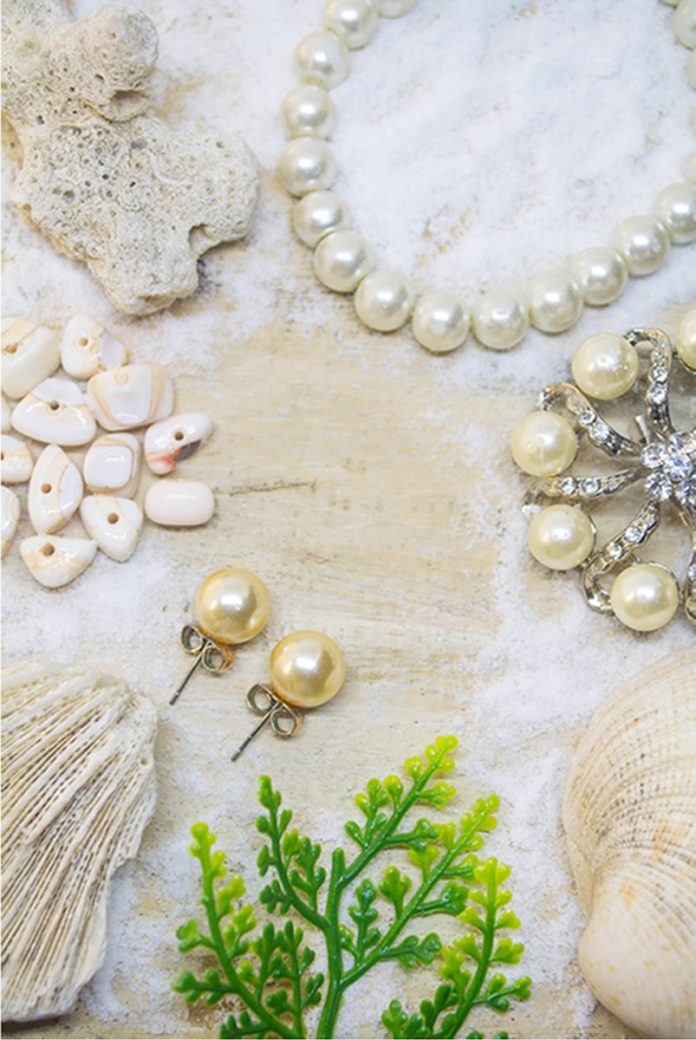
For centuries, pearls have whispered stories of elegance, refinement, and quiet luxury. They adorned the necks of queens, actresses, and debutantes, glowing softly under candlelight and camera flash alike. Yet in the twenty-first century, these symbols of old-world sophistication are being reimagined. What was once the adornment of the aristocracy has been reinvented by a generation of designers and wearers who see pearls not as relics of tradition but as materials of reinvention. “Pearls Reimagined” is not merely a trend; it’s a cultural shift — a dialogue between history and innovation, between classic beauty and modern individuality.
The Legacy of the Lustrous Gem
The history of pearls stretches back over 5,000 years. Revered by ancient civilizations — from the Chinese dynasties that saw them as symbols of purity, to the Persian empires that called them “tears of the gods” — pearls have long held an almost mystical allure. Unlike other gemstones that require cutting or polishing, pearls emerge from the sea complete, a miracle of nature formed through patience and time.
In the early twentieth century, pearls reached the height of their glamour. Coco Chanel famously layered ropes of them over simple black dresses, transforming them into emblems of effortless sophistication. Audrey Hepburn’s iconic pearl choker in Breakfast at Tiffany’s cemented the gem’s place in cinematic history. For decades, pearls symbolized femininity, grace, and social status. But like all symbols, their meanings began to evolve.
The Fall and Rise of an Icon
By the late twentieth century, pearls began to fade from mainstream fashion. Their association with conservative style — twin sets, bridal jewelry, or inherited heirlooms — made them seem outdated in a world chasing bold experimentation. Diamonds, with their sparkle and aggressive marketing, stole the spotlight.
Yet fashion, much like history, is cyclical. As minimalism met nostalgia in the 2010s, designers and consumers started to look back, not with longing but curiosity. What could pearls mean today? Could they transcend gender, age, and class? The answers arrived through a wave of bold reinterpretations.
The Modern Alchemy of Design
Today’s designers are redefining pearls through the lens of experimentation. Instead of dainty strands and perfect symmetry, contemporary jewelers embrace irregularity and contrast. Baroque pearls — with their asymmetrical, organic forms — have become the centerpiece of avant-garde collections. Their imperfect shapes mirror the modern appreciation for individuality over uniformity.
Brands like Mikimoto, the Japanese house that first cultured pearls in the late 1800s, have embraced this evolution. Their collaborations with cutting-edge artists and architects show pearls set in sculptural metals or paired with unexpected materials like leather and resin. Similarly, independent designers — such as Sophie Bille Brahe, Alighieri, and Completedworks — are crafting pieces that merge classic refinement with raw modernity. A single oversized pearl on a gold wire, an earring suspended like a droplet of light, or a choker woven with industrial metal — each design becomes a conversation between elegance and edge.
Gender Fluidity and the Breaking of Boundaries
Perhaps the most striking transformation of pearls in recent years is their liberation from gender norms. Once strictly coded as feminine, pearls are now worn by musicians, actors, and style icons of every gender identity.
Harry Styles, known for his bold fashion choices, made headlines when he paired a single pearl necklace with Gucci suits. Similarly, rappers like A$AP Rocky and fashion innovators like Pharrell Williams have adopted pearls as emblems of self-expression. What was once a symbol of propriety has become one of rebellion — soft power replacing the flash of gold chains and diamonds.
This gender-fluid reinterpretation of pearls reflects a larger cultural movement: the dissolution of rigid categories in fashion and identity. The modern pearl wearer doesn’t seek to imitate tradition but to reinterpret it, to make the gem a reflection of authenticity rather than conformity.
Sustainability and the Ethics of Elegance
Another reason for the pearl’s resurgence lies in its natural origins and sustainable potential. In an era increasingly defined by ecological awareness, pearls stand apart from many other luxury materials. Cultured pearls are renewable, biodegradable, and produced through processes that often benefit marine ecosystems when responsibly managed.
Pearl farming can promote environmental stewardship. Oysters thrive only in clean water, which incentivizes farmers to protect coastal habitats. Moreover, the production of pearls requires minimal chemical intervention compared to gemstone mining. As a result, pearls have come to represent not only beauty but also balance — a harmony between luxury and responsibility.
The shift toward ethical fashion has made consumers more conscious of provenance. Today, transparency is as important as aesthetics. Modern jewelry buyers want to know not just how a piece looks, but how it was made. By emphasizing traceable sourcing and environmentally friendly farming, the pearl industry aligns with the growing demand for conscientious luxury.
Pearls Beyond Jewelry
In contemporary culture, pearls are no longer confined to necklaces and earrings. They have found their way into clothing, footwear, and even technology-inspired design. Designers like Simone Rocha and Erdem embellish garments with cascades of pearls, transforming them into wearable sculptures. Streetwear brands experiment with pearl-inlaid sneakers or embroidered caps, merging high fashion with everyday wear.
Even in digital and virtual fashion — a new frontier where clothing exists purely online — pearls have retained their appeal. Their unique luster, rendered in digital textures, conveys the same sense of refinement in a pixelated world. In this way, pearls continue to bridge the old and the new, the tangible and the virtual.
Cultural Symbolism Reimagined
The renewed fascination with pearls also reflects broader cultural dynamics. In an age obsessed with speed and disposability, pearls symbolize patience and permanence. Their formation — layer by layer, over years — stands in quiet defiance of a culture built on instant gratification. They remind us that beauty can be born from persistence and imperfection.
Furthermore, the modern reimagining of pearls has given rise to new narratives of empowerment. Historically, pearls adorned women as symbols of purity or status; now they adorn them as emblems of strength and individuality. When worn with jeans and sneakers or paired with sharp tailoring, pearls lose their passivity. They become declarations of identity, not accessories of expectation.
The Influence of Pop Culture and Media
Social media has also played a pivotal role in the pearl’s comeback. Platforms like Instagram and TikTok have turned once-niche fashion choices into global trends overnight. Young influencers pair thrifted pearl jewelry with streetwear or minimalist outfits, making the look accessible rather than exclusive. The #pearlcore aesthetic — a term coined by fashion media to describe this wave — captures the fusion of nostalgia and modernity.
Celebrities have amplified this shift. Zendaya’s red-carpet looks featuring pearl-embellished gowns, or Rihanna’s mix of pearls with bold streetwear, show how the gem adapts to diverse personalities and styles. Pop culture no longer treats pearls as the uniform of wealth; they are now tools of self-expression that transcend class and culture.
Technology Meets Tradition
The innovation around pearls doesn’t end with design. Scientists are exploring bioengineering techniques to enhance pearl cultivation, using sustainable aquaculture practices that ensure both quality and ecological balance. Advances in material science are even inspiring “synthetic pearls” that replicate natural nacre without harming marine ecosystems.
At the same time, digital craftsmanship — from 3D modeling to AI-aided jewelry design — is pushing boundaries of form and scale. Designers can now simulate pearl settings, experiment with proportions, and produce custom designs without waste. This intersection of tradition and technology captures the essence of the modern pearl: timeless yet forward-looking.
A Gem That Evolves with Us
Ultimately, the reinvention of pearls is less about trend and more about transformation. Their enduring appeal lies in their adaptability. Whether strung delicately on silk or embedded in a bold sculptural form, pearls continue to reflect the spirit of each era — serene yet subversive, natural yet sophisticated.
They have survived centuries of changing tastes because they embody paradox: they are both ancient and modern, soft yet strong, universal yet personal. The contemporary fascination with pearls reveals a collective desire to connect with heritage while embracing innovation.