

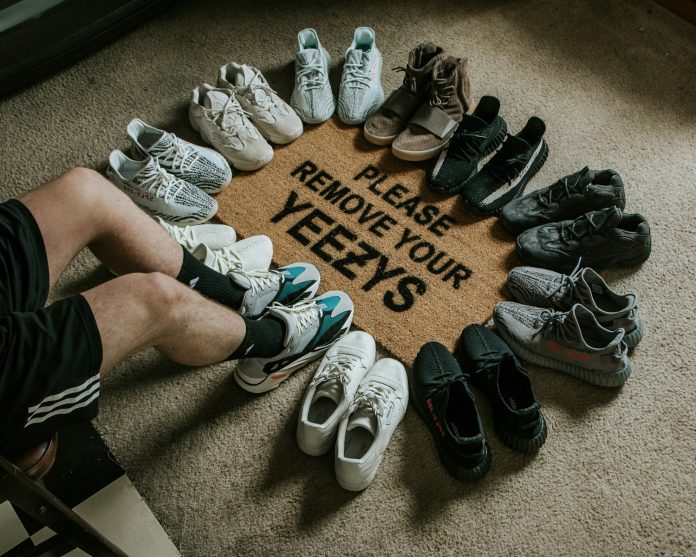
Sneakers have always been more than footwear — they’re cultural artifacts, creative statements, and in many ways, the currency of cool. Once confined to sports arenas and high school gym floors, sneakers now dominate runways, red carpets, and boardrooms. But in 2025, their power reaches a new peak, thanks to an explosion of collaborations that blur the lines between art, fashion, and identity.
This year’s sneaker collaborations aren’t just about hype; they’re about storytelling. Every drop carries a message, whether it’s a nod to nostalgia, a statement about sustainability, or a collaboration that challenges the boundaries of design itself. From luxury houses to underground artists, everyone wants a piece of sneaker culture — and what’s emerging is a global conversation told one sole at a time.
- The New Language of Collaboration
A decade ago, sneaker collaborations were a novelty — a bold move for brands seeking to capture attention in a saturated market. But now, collabs are the heartbeat of the sneaker industry. What changed? The consumer. Today’s buyers aren’t chasing logos; they’re chasing meaning. They want to wear something that says this is who I am — and collaborations allow for that individuality.
Partnerships have evolved from transactional to transformational. The best ones fuse worlds that don’t naturally collide — think a musician reimagining a heritage running shoe, or a fine artist using sneakers as a canvas. Each collab becomes a cultural experiment, testing how far authenticity can stretch before it snaps. And in 2025, that balance feels more vital than ever.
- Streetwear Meets Haute Couture
One of the defining characteristics of sneaker collaborations in 2025 is the seamless dialogue between streetwear and luxury fashion. What was once an uneasy partnership has now become symbiotic. Brands like Louis Vuitton, Gucci, and Balenciaga have embraced sneaker design not as a sideline, but as a legitimate expression of haute couture.
The success of the Louis Vuitton x Nike Air Force 1 under the late Virgil Abloh set a new benchmark for this relationship. Since then, luxury houses have understood that sneakers are modern status symbols — wearable art that merges craftsmanship with accessibility. This year, we see couture-level detail meeting functional design: think hand-stitched soles, 3D-printed uppers, and rare, responsibly sourced materials.
It’s no longer about choosing between comfort and sophistication; the most coveted sneakers of 2025 offer both — with a touch of rebellion.
- Artists, Musicians, and the Sneaker as Canvas
The fusion of art and sneakers has never felt more alive. Collaborations with artists like Takashi Murakami, Daniel Arsham, and digital creators from the NFT space have transformed footwear into collectible masterpieces. The sneaker isn’t just worn; it’s displayed, traded, even exhibited.
Musicians, too, continue to dominate sneaker collaborations. Kanye West may have set the stage years ago, but in 2025, the field has expanded dramatically. Artists like Bad Bunny, Billie Eilish, and Travis Scott use sneakers to extend their visual language beyond the studio. Their designs embody the rhythm of their music — unpredictable, genre-bending, and deeply personal.
But what’s new this year is how artists collaborate not only with brands but with fans. Through co-creation platforms and limited-edition digital releases, fans can vote, design, or remix colorways — making every pair a shared creative act.
- Sustainability: The Soul of the Sole
Perhaps the most exciting evolution in sneaker collaborations is the rise of eco-conscious partnerships. The era of fast fashion has given way to slow innovation, with brands and creators prioritizing recycled materials, biodegradable soles, and closed-loop production systems.
Nike’s “Move to Zero” initiative, Adidas’ partnerships with Parley for the Oceans, and smaller boutique projects like Veja x Rick Owens have shown that sustainability doesn’t mean sacrificing style. In 2025, eco-friendly collabs are no longer niche; they’re a badge of cultural responsibility.
Emerging designers are pushing this even further — experimenting with sneakers made from pineapple leather, mycelium (mushroom-based fabric), and even algae. Each pair tells an environmental story, grounding sneaker culture in something bigger than trend cycles. The sneaker drop has become not just a release event but a statement of values.
- Nostalgia Reimagined
The sneaker world has always loved nostalgia, but 2025 takes that affection to another level. Retro silhouettes from the ‘80s, ‘90s, and early 2000s are being reissued, reworked, and reinterpreted with fresh collaborations.
The Adidas x Fear of God Athletics line revives vintage basketball energy with minimalist design codes, while Nike’s revival of the Shox and Dunk lines pairs heritage shapes with modern colorways. Even New Balance, once seen as the “dad shoe” brand, continues to reinvent itself through timeless collabs with Aimé Leon Dore and Joe Freshgoods — reminding us that nostalgia doesn’t mean looking backward. It’s about reimagining the familiar for a new generation.
These partnerships strike an emotional chord. They tap into collective memory, linking past and present through design. When we lace up a reissued sneaker, we’re not just wearing fashion; we’re wearing a story we already know — retold in today’s language.
- The Power of Limited Drops and Digital Hype
In the age of scarcity marketing, exclusivity remains a powerful driver of desire. But in 2025, the rules have shifted. Instead of endless reselling wars, brands are leveraging technology to make drops more creative and democratic.
Through blockchain authentication, augmented reality previews, and geo-located releases, sneaker drops have become immersive experiences. Brands like Puma, Nike, and ASICS are hosting virtual “drop zones” — blending gaming, metaverse culture, and physical fashion.
These innovations bring excitement back to the culture of the hunt, but with a digital twist. The sneaker collab has evolved into a participatory event where fans don’t just buy — they belong.
- Women Take the Lead
For decades, sneaker culture was dominated by male voices, both in design and marketing. But in 2025, women-led collaborations are reshaping the narrative entirely. Designers like Yoon Ahn (AMBUSH), Aleali May, and Salehe Bembury (in collaboration with female-led collectives) are pushing inclusivity in both design and sizing.
Brands are finally listening. They’re creating unisex silhouettes that respect diverse foot shapes and aesthetics. These collabs aren’t “for women” in the reductive sense — they’re for everyone. The storytelling is more personal, more grounded, and more fearless.
This shift is about representation, yes, but also innovation. Women are designing sneakers that blend technical performance with emotional design — proving that inclusivity is not just moral progress, but creative evolution.
- The Rise of Independent Voices
While mega-collaborations dominate headlines, smaller independent creators are driving the real cultural pulse. Streetwear labels, skaters, and local designers are collaborating with legacy sneaker brands to produce limited micro-collections that speak directly to communities.
These are not mass-market releases; they’re love letters to subcultures — hip-hop, graffiti, skate, or even environmental activism. Collabs like ASICS x Cecilie Bahnsen or Reebok x Pyer Moss showcase this approach: intimate, expressive, and community-driven.
In an industry often accused of commercialization, these projects remind us why collaboration matters in the first place — to bring new voices into the conversation.
- The Collector’s Renaissance
Sneaker collecting has always been part obsession, part art form. But 2025 marks a renaissance of sneaker collecting as a serious cultural pursuit. Platforms like StockX and GOAT now authenticate digital twins of each sneaker, creating a seamless bridge between physical and virtual ownership.
Collectors are becoming archivists, preserving sneakers not for resale but for heritage. Museums and galleries are curating sneaker exhibitions, treating them as pop art — symbols of creativity, rebellion, and innovation. The lines between streetwear and fine art are gone; sneakers have taken their rightful place in cultural history.