

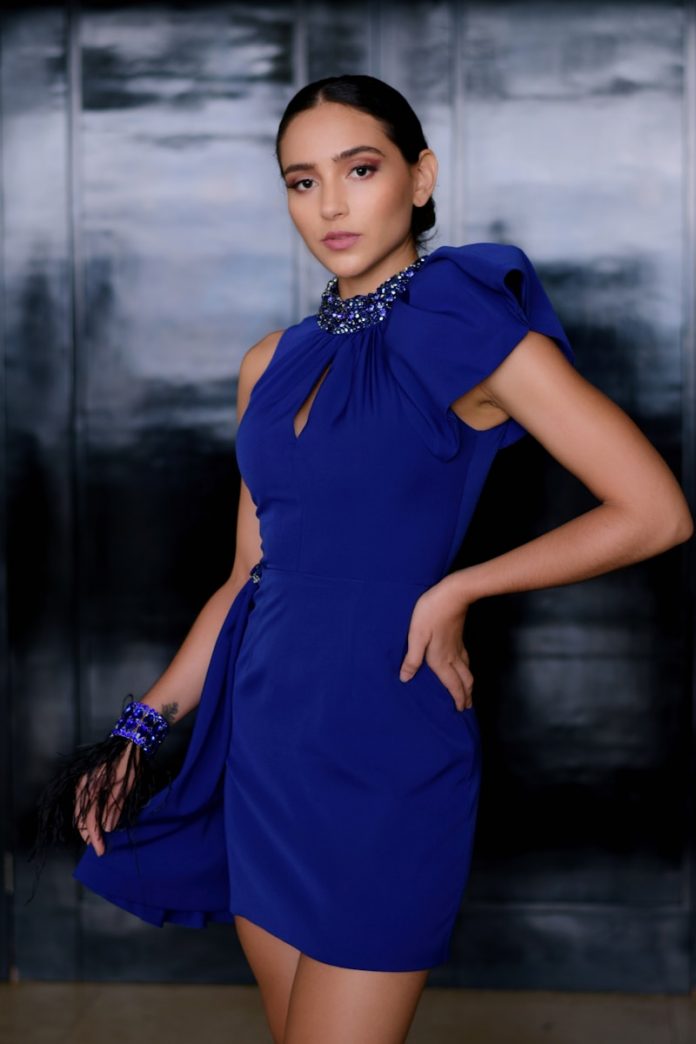
Fashion has always had a short memory. No matter how many years pass, yesterday’s trends inevitably find their way back onto today’s runways and sidewalks, often dressed up in a slightly different form. Over the past few years, we’ve watched an unexpected time warp unfold—one that brings back the baggy jeans, sparkly lip gloss, chunky sneakers, and playful chaos of the late ’90s and early 2000s. What was once dismissed as outdated or even embarrassing has suddenly become the aesthetic blueprint for an entire generation that never lived through it the first time. This retro revival isn’t just about nostalgia—it’s a cultural remix that says a lot about how we see ourselves in an increasingly digital world.
A Cycle of Style and Memory
Fashion, by nature, thrives on reinvention. Designers and trendsetters love to borrow from the past, but what makes the current revival of ’90s and Y2K aesthetics unique is its dual nostalgia: one part analog rebellion, one part digital fantasy. The ’90s marked the last decade before the internet took over daily life; the Y2K era (roughly 1999–2005) was its chaotic awakening. The clothes of these eras reflect that shift—grunge and minimalism in one corner, metallics and futuristic fabrics in another. Now, as we sit two decades later in an age defined by screens and social media, those aesthetics are back, bridging old-school authenticity with hyperconnected irony.
If the fashion of the 2010s was sleek, curated, and filtered, the fashion of the 2020s seems to crave the opposite. Low-rise jeans and butterfly clips don’t apologize for being loud, playful, and sometimes a little awkward. They remind us of a time before everything was algorithmically optimized—a time when trends spread by music videos, teen magazines, and friends at school, not TikTok influencers. That sense of spontaneity has a powerful emotional pull for younger consumers who are constantly online but crave something that feels real.
The Return of the Unpolished
Take the grunge aesthetic, for instance. The ’90s were the era of rebellion—Doc Martens, ripped denim, flannel shirts, and thrifted band tees. Today, those looks reappear on Gen Z teens who see them not as rebellion against their parents, but as resistance against overproduction and fast fashion. What used to be anti-establishment style is now eco-conscious chic. Vintage shopping has become both a fashion statement and a moral one.
Meanwhile, Y2K style offers something different: optimism and fantasy. At the turn of the millennium, designers were obsessed with the future—metallic fabrics, space-age silhouettes, and the belief that technology would make life glamorous. Brands like Blumarine, Versace, and Diesel are revisiting those looks with a wink, channeling the glossy maximalism of Paris Hilton’s red-carpet outfits and Destiny’s Child music videos. It’s shiny, playful, and unapologetically bold—exactly the kind of visual joy people crave in uncertain times.
Social Media’s Time Machine
No revival happens in a vacuum. Platforms like Instagram, Pinterest, and TikTok have turned nostalgia into currency. The hashtag #Y2Kfashion alone has racked up billions of views, filled with tutorials on how to layer rhinestone tank tops, style velour tracksuits, or re-create Britney Spears’ 2001 denim-on-denim look. What’s fascinating is how younger users—people born long after these trends first appeared—treat these clothes not as old-fashioned, but as fresh material to remix.
For them, the past is not linear but scrollable. They can access every decade at once, mixing a ’90s slip dress with a 2000s baguette bag and a 2020s oversized blazer. The internet flattens time, and fashion thrives in that freedom. Unlike the original Y2K years, when style revolved around celebrity influence and glossy magazine spreads, today’s revival is democratized. Anyone with a good eye and a thrift store can shape what Y2K means now.
Nostalgia as Comfort
Part of this retro wave is emotional. In an age of uncertainty—climate anxiety, political tension, economic precarity—the past feels safe, familiar, and simple. The ’90s and early 2000s evoke a pre-crisis innocence, especially for those who experienced that period as childhood. Even for younger generations, these styles carry secondhand nostalgia, a longing for the “simpler” media culture of flip phones, instant messaging, and early MTV. Wearing those clothes becomes a way of touching that imagined simplicity.
There’s also a therapeutic element in this return. The Y2K palette—hot pinks, holographic silvers, baby blues—feels like an antidote to the muted tones of minimalist fashion. It’s expressive and emotional. When you wear something that glitters under sunlight or clings in all the wrong places, you stop pretending to be effortless. You get to have fun again. And that may be the truest essence of this revival: the permission to play.
Designers and Brands Riding the Wave
Fashion houses are quick to adapt. Prada and Miu Miu have revived their mini skirts and nylon bags from the late ’90s, while Blumarine resurrected its butterfly logo and low-slung denim with a modern twist. Diesel, once written off as a relic of the mall-rat era, has reinvented itself as a luxury powerhouse by leaning fully into its early-2000s aesthetic—complete with distressed denim and glossy leather. Even streetwear brands are taking cues from retro athletic wear, borrowing from FUBU, Adidas Originals, and early Nike silhouettes.
But this revival isn’t pure imitation. Designers are reinterpreting the past with today’s sensibilities—sustainability, inclusivity, and comfort. Fabrics are more ethical, fits are more gender-fluid, and body diversity has replaced the impossible ideals of the old runway culture. In that sense, today’s Y2K is more forgiving, more human. It’s the fantasy of the past filtered through the awareness of the present.
A Dialogue Between Eras
The interesting part of this trend is how self-aware it is. The fashion cycle used to revolve around clear oppositions—minimalism versus maximalism, vintage versus futuristic, masculine versus feminine. Now, the boundaries blur. Someone might wear a grungy plaid shirt with a metallic mini skirt and platform Crocs, and it works. The rulebook is gone.
That blending reflects a deeper cultural shift: individuality as the new uniform. In the ’90s, counterculture was about rejecting the mainstream; today, it’s about personal remixing. You can dress like a pop star, a skater, or a character from The Matrix, and it’s all valid. This eclecticism feels modern because it mirrors how we live—fragmented, online, always juggling multiple identities. Fashion becomes not just clothing but language, a way of stitching the past into a digital now.
The Irony of the Future Past
Perhaps the biggest reason these styles resonate again is that Y2K fashion was obsessed with the future. Back then, silver pants and futuristic sunglasses imagined a world of robots and flying cars. Ironically, now that we actually live in a world dominated by AI and virtual reality, people are romanticizing the older, simpler vision of the future that Y2K once promised. The aesthetic reminds us of an age when technology still felt exciting rather than overwhelming—a time when optimism about “the next big thing” hadn’t yet turned into anxiety about it.
So when people wear metallic halter tops or carry translucent handbags, they’re not just referencing the past—they’re reclaiming a kind of hopeful futurism that feels missing from our current cultural mood. The revival, then, becomes both a look backward and a small act of looking forward.
Where It Goes Next
Every revival eventually evolves into something new. We’re already seeing hybrid looks that merge Y2K glam with 2020s practicality—cargo pants made from recycled fabrics, platform shoes designed for comfort, vintage tops styled with gender-neutral tailoring. As the trend matures, the nostalgia will likely fade, but the playfulness and experimentation it inspired might linger.
Fashion, after all, is less about specific garments than about the moods they capture. The ’90s and Y2K comebacks speak to a desire for authenticity, creativity, and joy in an era that can feel overly curated. Maybe that’s why these styles resonate so deeply: they remind us that imperfection is beautiful, that fun has value, and that the future always borrows from the past.
A Closing Thought
When we look back on this decade, it’s likely that the “retro revival” won’t just be remembered for low-rise jeans or platform sandals. It will be remembered for how it taught a new generation to connect with history—not through textbooks, but through texture, color, and attitude. The cycle of style spins endlessly, but each time it turns, it adds another layer of meaning.
In bringing back the ’90s and Y2K, we aren’t simply reviving old trends. We’re telling the story of how identity, nostalgia, and creativity survive in a world that changes faster than ever. The past is never really gone—it just waits patiently in our closets, ready to dance again.