

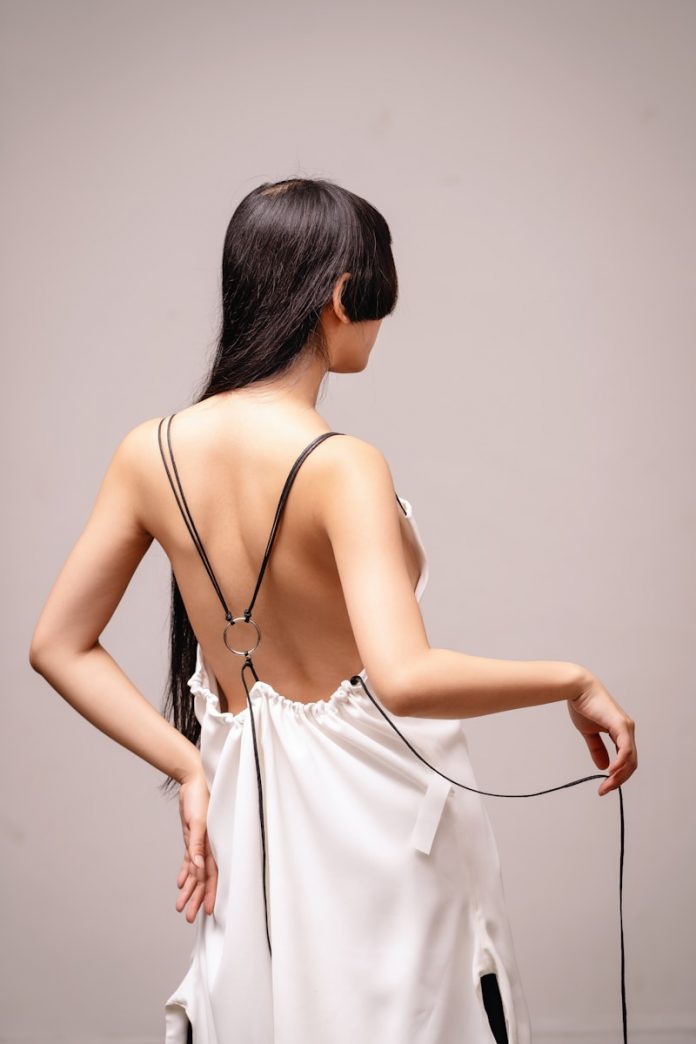
In fashion’s endless cycle of reinvention, every decade has its defining statement. The 1980s had bold shoulders and maximal power dressing; the 1990s, a rebellious grunge; the early 2000s, a glossy, logo-plastered extravagance. Yet, as the noise of consumption reached its crescendo in the digital age, a quieter aesthetic began to emerge — one that prized subtlety over spectacle, restraint over excess. This is the New Minimalism Era — not merely a style, but a philosophy shaping how we dress, buy, and even live.
The Origins of a Quiet Revolution
Minimalism in fashion is hardly new. The concept traces back to the avant-garde Japanese designers of the 1980s — Yohji Yamamoto and Rei Kawakubo — who stripped away ornamentation to reveal form and fabric. In the 1990s, the movement matured through the sleek lines of Calvin Klein, Jil Sander, and Helmut Lang, who championed simplicity as sophistication. Their designs reflected a reaction to the material excess of prior decades: crisp tailoring, monochrome palettes, and clean silhouettes stood in deliberate opposition to the chaos of pop culture.
Yet today’s minimalism is not a mere revival. It carries a distinctly contemporary spirit, shaped by technology, sustainability, and a longing for authenticity in an overstimulated world. The new minimalism is not about austerity or denial; it is about intentionality — choosing less, but choosing better.
The Digital Detox of Fashion
In the 2010s, social media ushered in a culture of instant trends and rapid consumption. Fast fashion giants democratized style but also fueled an unsustainable churn of garments designed to be worn once and discarded. Against this backdrop, the minimalist aesthetic rose as a quiet form of rebellion. Influencers began trading loud prints for monochrome basics; capsule wardrobes became aspirational; and “quiet luxury” emerged as the new status symbol.
The movement reflects a broader cultural fatigue with digital noise. In a world where every outfit can be photographed, shared, and critiqued within seconds, simplicity has become a kind of armor — a way to opt out of the endless performance. The new minimalist dresses not to impress, but to express calm control. As fashion critic Vanessa Friedman once observed, “Minimalism is not about less clothes, but about less chaos.”
Runway Reinvention: The Power of Subtle Statements
On the runway, minimalism’s resurgence is far from dull. Designers have reinvented simplicity with a richness of detail that rewards close attention. Phoebe Philo’s work at Céline set the tone for the 2010s — her precise cuts and neutral hues spoke to women who valued intelligence over spectacle. In recent years, The Row, Bottega Veneta, and Lemaire have carried this ethos forward, refining it with modern fabrics and architectural structure.
This new wave of designers treats simplicity as an art form. The lines of a coat, the weight of wool, the exact shade between beige and taupe — these nuances matter. The effect is one of quiet confidence, a fashion language that whispers rather than shouts. Even brands known for opulence, such as Balenciaga or Saint Laurent, have embraced pared-down silhouettes, proving that restraint can be more powerful than provocation.
Minimalism has also expanded beyond Western definitions of simplicity. Korean and Scandinavian designers, in particular, have infused the aesthetic with cultural dimensions — merging Zen-like calm with practicality and craftsmanship. The result is a global dialogue on how “less” can mean different things: less ornament, less waste, less ego.
Streetwear and the Democratization of Minimalism
Perhaps the most intriguing evolution of the new minimalism is its migration from the runway to the street. Where once minimalism was confined to the rarefied world of luxury fashion, it has now been reinterpreted through everyday wear. Streetwear — traditionally associated with bold graphics and athletic flair — has undergone its own quiet transformation. Brands like A.P.C., COS, Uniqlo, and Fear of God Essentials have redefined the modern uniform: soft neutral hoodies, oversized blazers, and perfectly cut jeans that blur the line between leisure and sophistication.
The appeal lies in universality. Minimalist street style is democratic — it allows anyone to participate, regardless of budget or background. A white T-shirt and black trousers, when well-made, can carry the same elegance as couture. Social media has amplified this accessibility: platforms like Instagram and TikTok have popularized capsule wardrobe challenges and “outfit repeating” movements that promote sustainability as a form of chic. What was once an aesthetic reserved for the elite has become a lifestyle rooted in mindfulness.
Sustainability and the Ethics of Less
The new minimalism cannot be separated from the growing consciousness around environmental impact. As the fashion industry faces scrutiny for its waste and carbon footprint, minimalism offers a sustainable alternative — a way to consume more thoughtfully. The “buy less, buy better” mantra resonates with a generation anxious about climate change yet still eager to express identity through clothing.
Brands are responding with transparency and ethical production. Labels like Everlane, Studio Nicholson, and Totême emphasize craftsmanship, durability, and timeless design. By focusing on quality over quantity, they challenge the disposable nature of fast fashion. Consumers, too, are redefining luxury — it is no longer about owning more, but about owning with meaning. In this sense, the minimalist wardrobe becomes a moral statement as much as a stylistic one.
Gender Fluidity and the New Uniform
Another hallmark of the New Minimalism Era is its dissolution of gender boundaries. The aesthetic’s emphasis on neutral tones and clean shapes naturally lends itself to androgyny. Designers are increasingly crafting garments that transcend gendered expectations — a trend reflected in the rise of unisex collections and “fluid fashion.” This shift aligns with broader cultural movements questioning binary identities and rigid roles.
Minimalism’s uniform-like qualities also appeal to a collective desire for simplicity amid complexity. The notion of a “personal uniform” — popularized by figures like Steve Jobs and creatives in tech — symbolizes efficiency and focus. In fashion, it represents liberation from the daily decision fatigue imposed by overflowing closets. To wear a white shirt and black trousers every day is not a lack of imagination, but an assertion of identity through consistency.
The Emotional Resonance of Simplicity
At its heart, the new minimalism is emotional as much as aesthetic. The clean lines and muted palettes evoke a sense of calm, clarity, and self-possession — an antidote to the overstimulation of modern life. Psychologically, minimalism aligns with mindfulness: it invites us to slow down, to appreciate textures, to find beauty in quiet details. Wearing a simple outfit can become a meditative act — a reminder that identity does not require adornment.
This sentiment extends beyond clothing. The minimalist movement echoes in architecture, interior design, and even digital interfaces, from Apple’s product design to the uncluttered aesthetics of modern homes. It reflects a cultural longing for order in an age of excess, for authenticity in a world of simulation.
The Paradox of Minimalist Luxury
Yet minimalism’s rise also reveals paradoxes. The aesthetic of simplicity often comes at a high cost: luxury brands have turned restraint into an exclusive commodity, with plain cashmere sweaters priced at thousands of dollars. The question arises — can minimalism remain authentic when it becomes a status symbol? The answer may depend on the wearer’s intent. For some, minimalist luxury is about subtle signaling — conveying taste through discretion rather than logos. For others, it is a genuine pursuit of timelessness and ethical consumption.
This tension between accessibility and exclusivity ensures that minimalism remains dynamic, constantly negotiating its place between art, commerce, and ideology. What unites its diverse interpretations is the belief that beauty can be found not in abundance, but in clarity.