

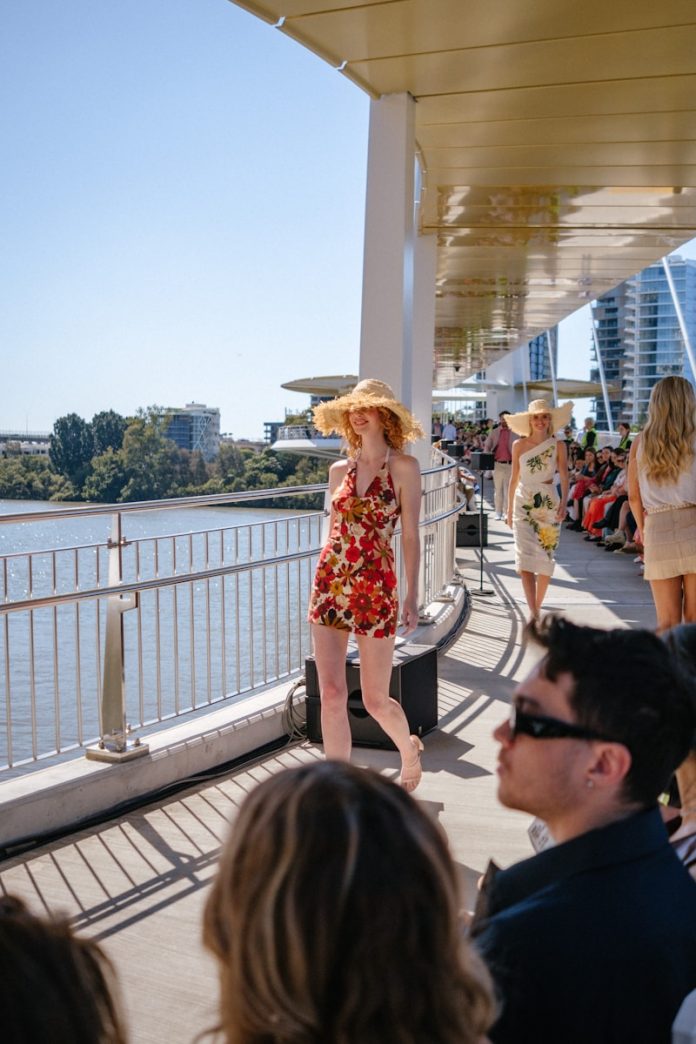
Fashion, by its very nature, thrives on reinvention. Each season, it captures the pulse of a world in flux — reinterpreting culture, technology, and sustainability through fabric and form. As we step deeper into 2025, the global fashion scene has embraced a rare duality: the fusion of futuristic innovation with nostalgic revival. This year’s trends reveal a collective yearning for individuality, environmental consciousness, and digital expression — all woven together in a tapestry of texture, color, and emotion. Below, we explore the ten most influential forces reshaping the way we dress and, perhaps, how we see ourselves.
- Tech-Couture and the Rise of Smart Fabric
The conversation around wearable technology has matured from novelty to necessity. In 2025, tech-couture sits comfortably at the intersection of function and fantasy. Designers are no longer experimenting with technology — they’re integrating it seamlessly. Jackets that adjust temperature in real-time, dresses that illuminate in response to sound, and workout wear that monitors hydration levels are redefining the wardrobe.
This shift marks a philosophical transformation as well. Fashion is no longer static; it interacts with the wearer and environment, adapting dynamically. Brands such as Balenciaga and emerging eco-tech labels are pioneering bio-responsive materials, merging sustainability with innovation. The result? Clothing that not only looks stunning but lives and breathes alongside us.
- Neo-Minimalism: The Beauty of Subtle Excess
After years of maximalist experimentation, 2025 ushers in neo-minimalism — a return to simplicity, but with elevated nuance. The aesthetic values craftsmanship and quiet luxury over loud branding. Think monochrome palettes in ivory, slate, and sand, paired with sculptural silhouettes and premium organic textiles.
Unlike traditional minimalism, this new wave doesn’t reject detail; it refines it. Subtle asymmetries, curved seams, and fluid tailoring turn simplicity into sophistication. The “less is more” ethos is reimagined for a generation seeking calm in chaos — an antidote to the visual noise of the digital age.
- Digital Couture and the Metaverse Wardrobe
Digital fashion, once a niche concept, has found its stride. In 2025, virtual garments and augmented reality dressing rooms are mainstream. Consumers can buy limited-edition digital pieces for avatars or mirror them with physical counterparts. The metaverse wardrobe has become a status symbol — not for vanity, but for identity exploration.
Leading designers are collaborating with digital artists to produce collections that exist both online and off. The implications are profound: fashion is becoming less about ownership and more about experience. As AI-generated textiles and 3D-printed couture evolve, style becomes boundless — transcending the material to express imagination itself.
- Gender Fluidity and the Collapse of Fashion Boundaries
The boundaries between menswear and womenswear are dissolving faster than ever. In 2025, gender fluidity is not just a statement — it’s the standard. Fashion houses now design through a lens of inclusivity, focusing on form and comfort rather than gendered archetypes.
Wide-legged trousers, structured blazers, flowing tunics, and redefined corsetry blur the binary, allowing self-expression to flourish. The industry’s evolution mirrors society’s shifting understanding of identity: fluid, personal, and ever-changing. This liberation of fashion from gender constraints marks one of the most significant cultural movements of our time.
- Sustainable Luxury and the Second-Life Revolution
Sustainability, once a trend, is now the backbone of fashion in 2025. Circular design, upcycling, and biodegradable materials dominate the luxury landscape. Major houses are reclaiming deadstock fabrics, while independent artisans rework vintage pieces into contemporary treasures. The term “second-life fashion” encapsulates this ethos — giving garments a renewed purpose.
Transparency has also become non-negotiable. Brands now disclose their carbon footprints and ethical sourcing practices, allowing consumers to make informed choices. The rise of AI-assisted supply chains has further optimized production, minimizing waste. In this era, luxury isn’t defined by price or exclusivity — it’s defined by responsibility.
- Retro-Futurism: Nostalgia Meets Tomorrow
The style narrative of 2025 thrives on contrasts, none more striking than retro-futurism. Designers are drawing from 1960s space-age optimism, 1980s glam, and early 2000s cyber aesthetics to create something both nostalgic and new. Metallic fabrics, holographic accessories, and modular layering echo the optimism of past visions of the future.
What’s compelling is how these elements coexist with today’s values. The retro-futurist look captures both the innocence of old sci-fi dreams and the sophistication of modern design — merging playfulness with precision. It’s not just fashion; it’s a statement about reclaiming imagination in an age dominated by algorithms.
- The Return of Craft: Handwork in a Digital Age
In a world driven by automation, the handmade has become a symbol of authenticity. 2025’s fashion renaissance celebrates craftsmanship — embroidery, crochet, quilting, and hand-dyeing techniques are making their way into haute couture and streetwear alike.
This trend reflects a deeper cultural hunger for connection. The beauty of imperfection — the irregular stitch, the visible seam — tells a story of human touch. Craftsmanship bridges the gap between heritage and innovation, proving that technology and tradition can coexist harmoniously. Each handmade piece is more than an accessory; it’s a rebellion against disposability.
- Oversized Elegance and the Power of Comfort
Comfort no longer compromises elegance. The oversized silhouette reigns supreme in 2025, evolving beyond its streetwear roots into refined, architectural shapes. Billowing trousers, cocoon coats, and oversized blazers dominate collections, offering a sense of freedom and self-assurance.
The appeal lies in its duality — these garments are both protective and liberating. They serve as armor against the world’s unpredictability, while embodying a relaxed confidence. The oversized trend underscores a broader shift: we no longer dress to impress others, but to express comfort in our own skin.
- Vibrant Monochromes and Emotional Color Stories
Color has become a language of emotion. In 2025, we see a rise in vibrant monochromes — bold, single-tone outfits that communicate clarity and confidence. Shades like electric blue, marigold, and digital lavender dominate runways, representing renewal and optimism after years of uncertainty.
Fashion psychologists note that these hues evoke emotional balance and resilience. Designers are treating color not just as decoration but as therapy — a reflection of our collective desire for joy and vibrancy. Whether through tailored suits or flowing dresses, color is reclaiming its voice as a tool for empowerment.
- Quiet Tech Accessories and Modular Styling
The final frontier of 2025 fashion lies in modularity — accessories and garments designed to adapt. Quiet tech merges minimalist aesthetics with hidden innovation: handbags that charge devices, modular jackets with detachable sleeves, and shoes with adjustable soles.
This modular mindset speaks to modern life’s demand for versatility. Fashion is no longer about owning more but owning smarter. Each piece is engineered for longevity, adaptability, and purpose — a philosophy resonating deeply with a generation navigating constant change.