

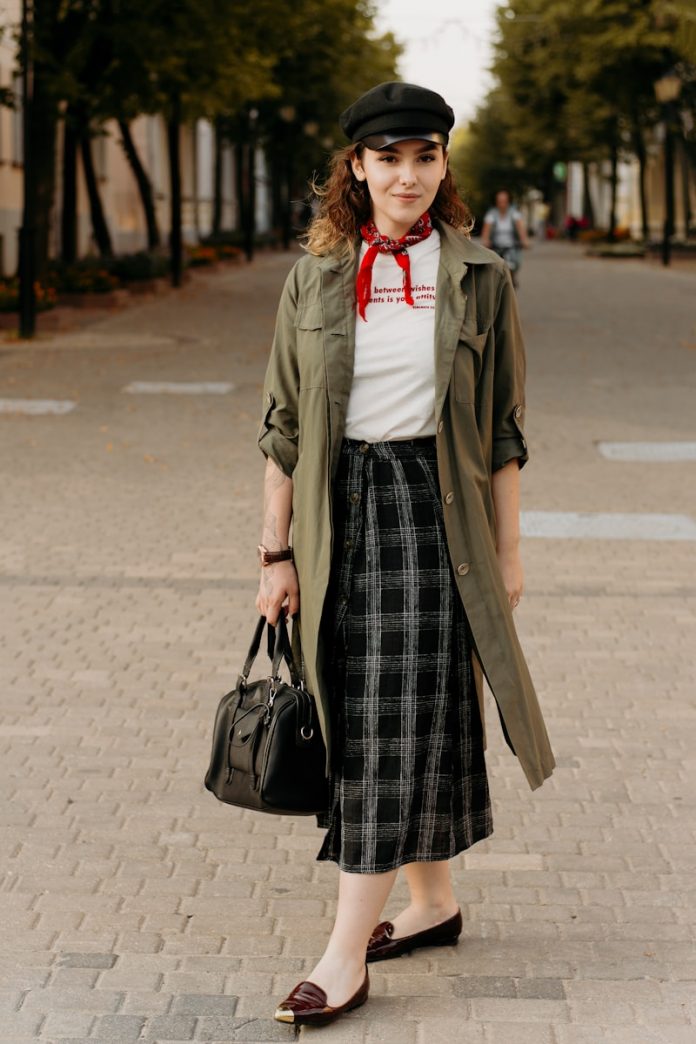
There’s something quietly powerful about walking into a room dressed head to toe in a single color. It’s not loud or flamboyant, yet it commands attention — an unspoken statement of confidence and control. This is the essence of monochrome magic — styling in one tone, a timeless fashion philosophy that has resurfaced stronger than ever in recent years.
From the sleek black ensembles of fashion editors to the creamy beige layers adored by influencers, monochrome dressing has evolved from a minimalist trend to a lifestyle aesthetic. But beyond its visual harmony lies a deeper story: of simplicity, identity, and the modern yearning for calm in an overstimulated world.
The Origins of One-Tone Dressing
The idea of monochrome dressing isn’t new. History’s most iconic figures — from Coco Chanel in her signature black-and-white ensembles to Audrey Hepburn’s little black dress — understood the power of uniformity. Monochrome styling began not as an aesthetic statement but as a philosophy of refinement.
Chanel once said, “Simplicity is the keynote of all true elegance.” Her designs reflected that belief, using limited color palettes to focus on form, texture, and proportion. Similarly, the Japanese concept of shibui — understated beauty — found expression in the minimalist tones of traditional garments, where subtle variations within a single color symbolized depth and restraint.
As the 20th century unfolded, designers like Yves Saint Laurent and Giorgio Armani reinterpreted monochrome dressing as a form of modern sophistication. The structured black suits, camel trenches, and ivory silks of their collections spoke to a world that valued quiet power over ostentatious display.
Today, in an era defined by visual overload and fast fashion, monochrome styling feels like a breath of clarity — a return to intentionality.
The Psychology Behind One-Tone Style
Why does dressing in one color feel so effortlessly elegant? Psychologically, the human eye finds comfort in harmony. A monochrome outfit eliminates visual noise, creating a cohesive silhouette that appears taller, sharper, and more polished.
There’s also something meditative about limiting oneself to a single tone. Choosing one color narrows endless options into a calm, creative challenge. It forces the wearer to focus on texture, shape, and detail — the way a wool coat interacts with silk trousers or how matte leather contrasts with soft cotton.
Monochrome dressing also carries emotional resonance. Colors influence mood — wearing all white can evoke serenity and clarity; black signals strength and mystery; earthy tones communicate grounding and ease. When worn cohesively, a color amplifies emotion, turning an outfit into a kind of visual mantra.
In many ways, monochrome styling is fashion’s version of mindfulness — a practice of attention and intention.
The Modern Minimalist Revival
In recent years, monochrome fashion has made a major comeback, largely thanks to social media’s love affair with minimalism. Platforms like Instagram and Pinterest have glorified clean, curated aesthetics — beige wardrobes, neutral interiors, and the now-iconic “quiet luxury” movement.
But this resurgence isn’t merely about looking expensive or curated. It’s a reflection of deeper cultural fatigue. After years of maximalist trends — neon streetwear, clashing prints, and brand-saturated logos — consumers are turning toward simplicity as a form of rebellion. Monochrome fashion symbolizes clarity amid chaos.
Designers have taken note. Labels like The Row, Jil Sander, and COS have built empires on the art of tonal dressing — creating garments that whisper rather than shout. Even streetwear brands are embracing muted palettes, proving that one-tone dressing isn’t limited to luxury fashion. Whether it’s Kanye West’s neutral Yeezy collections or Uniqlo’s carefully curated basics, the message is the same: less is more, and cohesion is confidence.
How to Master the Monochrome Look
Contrary to popular belief, monochrome styling doesn’t mean wearing the exact same shade from head to toe. The real magic lies in the play of tones, textures, and layering within a single color family. Here’s how to make it work without looking flat or repetitive.
- Explore Shades and Depth
Start with a base color — say beige — and explore its spectrum. Mix light sand with caramel, cream with tan, or oatmeal with coffee tones. This creates visual interest while maintaining a cohesive flow.
For darker palettes, layering charcoal with ash gray or navy with ink blue adds subtle contrast and sophistication. It’s the same color story, told in different chapters.
- Let Texture Do the Talking
Texture is the secret ingredient of any great monochrome outfit. Smooth leather, coarse wool, soft silk, or brushed cotton — each surface catches light differently, adding depth to your look. When colors are uniform, texture becomes the storyteller.
A black outfit, for instance, can move from severe to sensual with the simple addition of lace, velvet, or satin. The interplay of fabrics transforms a flat tone into a living, tactile experience.
- Play with Silhouette
Monochrome dressing gives you freedom to experiment with shape. A voluminous coat over slim trousers or an oversized shirt tucked into tailored pants creates architectural interest. The consistent color ensures that even bold proportions feel balanced rather than overwhelming.
- Accessorize with Intention
In a one-tone outfit, accessories aren’t distractions — they’re accents. Matching bags and shoes can elongate the silhouette, while metallic jewelry or a contrasting belt can break monotony without disrupting harmony. The key is subtlety: every element should feel like part of the same visual rhythm.
Color Stories: What Each Tone Tells
Every color tells its own story in the language of fashion. Monochrome dressing allows that story to unfold in full force.
Black: The eternal symbol of elegance and authority. Black-on-black dressing is timeless, versatile, and empowering — the uniform of artists, editors, and dreamers alike.
White: Purity, simplicity, and serenity. All-white ensembles exude a quiet strength, ideal for summer days or minimalist moods.
Beige and Neutrals: The cornerstone of “quiet luxury.” These tones radiate warmth and balance, blending sophistication with approachability.
Gray: Subtle, intellectual, and modern. Gray monochrome styling works beautifully for urban professionals who favor understatement over excess.
Bold Colors: Don’t underestimate the power of red, green, or cobalt blue in monochrome. When styled confidently, they create a striking statement of individuality and energy.
Cultural Echoes of Monochrome Style
Monochrome dressing isn’t just a Western fashion phenomenon — it resonates across cultures. In Japan, minimalist fashion pioneers like Yohji Yamamoto and Rei Kawakubo have long used black as a medium of artistic expression. In India, traditional saris often play within tonal palettes of one color, using embroidery and sheen to create depth.
Even in street fashion, tonal dressing conveys a unique message. The all-denim “Canadian tuxedo,” the all-white sneaker culture, and monochrome athleticwear all show how simplicity can carry subcultural identity.
Ultimately, monochrome transcends geography — it’s a universal expression of coherence and clarity.
Monochrome in the Digital Age
In the age of social media, the visual power of monochrome has found a new stage. Influencers and photographers love the way one-tone outfits photograph — the way light falls consistently across fabric, how shadows define structure, and how simplicity pops against busy backdrops.
But beyond the aesthetic appeal, there’s a psychological comfort in it. Online, where chaos reigns in endless scrolls of color and content, monochrome imagery cuts through the noise. It’s visually restful, a pause in the digital storm.
That’s perhaps why the “capsule wardrobe” movement — which often centers around neutral monochromes — has gained so much traction. It’s not just about minimalism; it’s about mental peace.
Monochrome as a Mirror of Modern Values
At its heart, monochrome dressing reflects something profound about our era: a collective desire for focus and authenticity. In a world obsessed with abundance, the discipline of one-tone styling feels radical. It suggests self-assurance — the quiet conviction that you don’t need excess to make a statement.
To dress in one tone is to trust simplicity. It’s to let color — or the absence of it — speak with restraint and purpose. It’s fashion stripped down to its essence, where the person wearing the clothes shines brighter than the clothes themselves.