

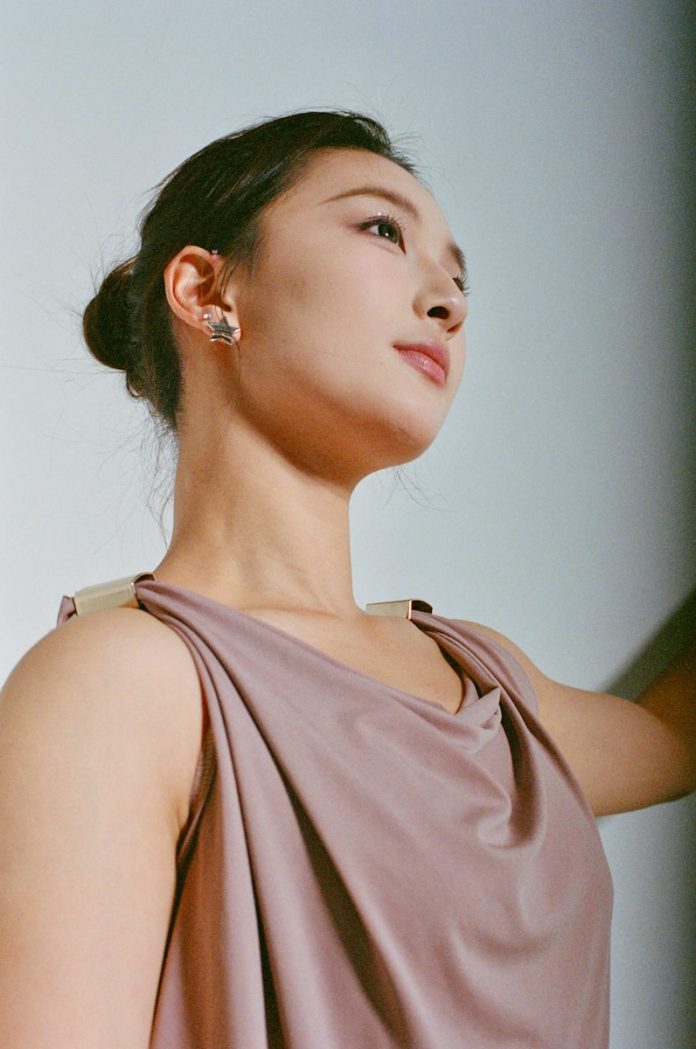
There was a time when jewelry was about a single statement piece — a solitaire necklace, a pair of diamond studs, or a bracelet reserved for special occasions. The idea was elegance through restraint, a whisper of shine that complemented rather than commanded attention. But fashion has evolved, and so has our approach to adornment. Today, the art of layering jewelry — stacking necklaces, mixing metals, and pairing rings with effortless precision — has become a form of personal storytelling.
Layering jewelry is not just about sparkle; it’s about composition. It is where instinct meets intention, where personal expression replaces old rules of matching sets. To layer like a stylist is to master the balance between spontaneity and structure — an art that’s less about opulence and more about identity.
The Origins of a Modern Aesthetic
The modern trend of layering jewelry didn’t emerge in isolation; it’s part of a larger cultural shift in how we think about fashion and individuality. Where previous generations saw jewelry as heirloom or status symbol, today’s wearers see it as an extension of personal narrative.
The rise of minimalist fashion in the 2010s gave birth to a new kind of accessorizing — subtle, stackable pieces designed to be mixed and matched. Brands like Mejuri, Missoma, and Monica Vinader redefined the jewelry market by offering fine materials in approachable designs, encouraging wearers to build collections over time. The idea was simple: jewelry should move with you, not sit in a velvet box.
In a sense, layering became the visual counterpart to the “capsule wardrobe” philosophy — fewer pieces, but greater versatility. Each chain, hoop, and charm becomes a brushstroke in a broader composition of self-expression.
Necklaces: The Poetry of Layers
When it comes to layering, necklaces are the natural starting point. The neck offers a canvas both intimate and visible — a space that frames the face and draws the eye. A well-curated stack of necklaces can tell a story: a gold medallion for luck, a delicate chain from a loved one, a choker for edge, a pendant for sentiment.
Stylists often talk about the “rule of three” — layering three necklaces of varying lengths to create depth and proportion. The magic lies in contrast: fine and chunky, shiny and matte, vintage and modern. A paperclip chain brings structure, a small gemstone adds focus, while a whisper-thin chain softens the composition. The beauty of layering is in imperfection — the slight tangle, the uneven drape, the mix of textures that feels organic rather than staged.
It’s also about framing — how jewelry interacts with clothing. A low neckline invites bold layering; a high-collar shirt calls for daintier chains peeking out. The key is harmony, not hierarchy. Each piece should play a role without overpowering the rest, like instruments in a well-tuned orchestra.
Bracelets and Bangles: The Language of Movement
If necklaces are poetry, bracelets are rhythm. Stacking bracelets and bangles is about movement — the soft jingle of metal, the brush of chain against skin. It adds life to an outfit, a sensory reminder of self-expression that moves with every gesture.
A balanced wrist stack usually starts with a foundation: a watch, a cuff, or a chain link bracelet. From there, layers build upward — perhaps a beaded strand for color, a thin gold bangle for shine, or a fabric friendship band for nostalgia. The interplay of textures matters as much as color; mixing metals and materials adds complexity and personality.
One of the biggest shifts in modern styling is the rejection of strict coordination. Gold and silver, once thought incompatible, now coexist beautifully. Rose gold warms up cooler tones, while oxidized silver adds contrast. It’s a language of freedom — a reminder that personal style thrives when we stop following outdated rules.
Rings: Miniature Sculptures of Expression
Few things feel more intimate than rings. They live on our hands, catching the light when we reach, write, or hold. Stacking rings has become one of the most creative ways to personalize jewelry — a chance to combine shapes, stones, and sentiments in a single gesture.
Stylists recommend mixing widths and styles: one statement ring, one slim band, and one textured or gemstone piece. The effect is layered but balanced, allowing individuality without excess. Midi rings — worn above the knuckle — add another dimension, giving the hand a sculptural quality that feels both delicate and bold.
The secret lies in symmetry — not perfect, but intentional. A mix of three or four rings on one hand can look effortlessly curated if the proportions flow naturally. Rings also carry emotional resonance: a vintage heirloom next to a contemporary design tells a story of continuity, a bridge between past and present.
Earrings: The Frame of the Face
The art of layering extends beyond the neck and wrist. Earrings — especially in the age of multiple piercings — have become miniature canvases for creativity. The trend toward curated ears has transformed jewelry styling into an exercise in architecture.
The formula is simple yet endlessly customizable: anchor the look with a statement hoop or drop, then ascend with smaller studs or cuffs. Mix textures — a pearl next to a spike, a diamond paired with enamel, a smooth hoop beside a chain earring. The asymmetry often adds intrigue; one ear can subtly differ from the other without feeling mismatched.
Earring layering, more than any other form, embodies individuality. It’s wearable rebellion softened by elegance — a reminder that beauty can be both structured and spontaneous.
The Stylist’s Mindset: Curation Over Collection
To layer jewelry like a stylist is to think like one — to approach your collection not as separate pieces, but as a cohesive wardrobe. Stylists build looks with purpose: they consider proportion, balance, and the mood of the outfit. But more than that, they edit.
True style is not about having more; it’s about making more of what you have. That’s why layering thrives on versatility. A single chain can transform across occasions: worn alone for simplicity, doubled up with pearls for drama, or paired with a pendant for sentimentality.
The best stylists know when to stop. The fine line between layered and overloaded lies in breathing space. A minimalist outfit can handle bolder stacking; a detailed ensemble might need restraint. Like art, jewelry styling is about composition — where to place focus, where to let the eye rest.
The Emotional Resonance of Layers
What makes layered jewelry so powerful is its emotional undertone. Every piece carries meaning — a gift from a friend, a memento from travel, a charm that symbolizes hope. Layering allows these memories to coexist, literally woven together across the body.
Unlike traditional heirloom jewelry, which often carried formality, today’s layered approach feels more personal, lived-in, and real. It reflects the rhythm of modern life — multifaceted, fast-moving, yet deeply personal. It’s why so many stylists say your jewelry should feel like a second skin.
Layering is also an act of self-definition. Just as we curate playlists or social feeds, we curate our jewelry — choosing what to show, what to highlight, and what to keep private. It’s the silent language of taste, mood, and memory.
Sustainability and the Age of Conscious Glamour
As the jewelry world becomes more aware of ethical sourcing and sustainability, the trend of layering dovetails perfectly with conscious consumption. Instead of constantly buying new pieces, wearers rediscover what they already own — combining vintage, heirloom, and contemporary designs in fresh ways.
Independent designers and sustainable brands are leading the movement with recycled metals, lab-grown diamonds, and artisanal craftsmanship. Layering allows these ethical choices to shine: mixing old and new, fine and costume, sentimental and statement. It proves that glamour and responsibility are no longer opposites — they can, and should, coexist.
Beyond Fashion: A Reflection of Modern Identity
Ultimately, the art of layering jewelry mirrors broader cultural trends — the rejection of rigid uniformity, the embrace of individuality, and the blending of influences. It reflects a generation that values meaning over material, creativity over conformity.
In a world saturated with fast fashion and fleeting trends, layered jewelry endures because it feels human. It’s personal, adaptive, and emotional. Every layer tells a story, and every story evolves with time.