

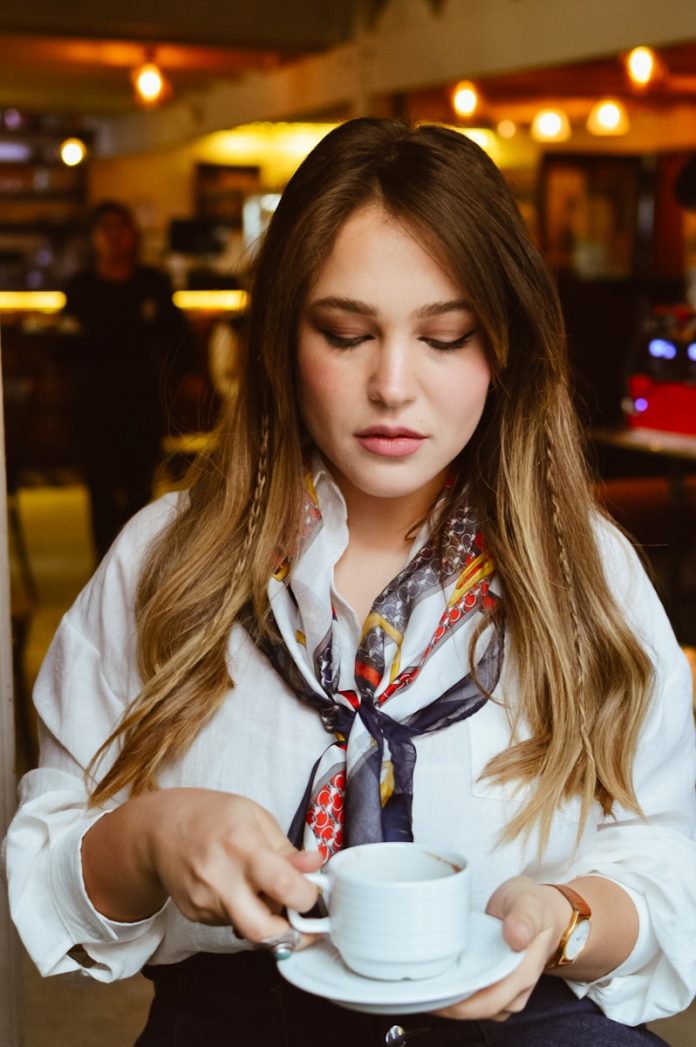
A café is no longer just a place to sip coffee — it’s a destination, a mood, and often, a reflection of culture and creativity. Across the world, cafés have evolved from humble neighborhood haunts into immersive experiences that merge fashion, art, and gastronomy. Some serve couture alongside cappuccinos; others transform latte foam into a design statement. These “fashionable cafés” are redefining what it means to meet, drink, and linger — spaces where taste and aesthetics intertwine as naturally as milk and espresso. Whether tucked inside a Parisian boutique or rising high above Tokyo’s neon skyline, these cafés are where the worlds of style and flavor gracefully collide.
The Rise of the Fashion Café Culture
The relationship between fashion and café culture is surprisingly deep-rooted. In Paris, the birthplace of café society, the likes of Coco Chanel and Yves Saint Laurent once sipped espresso on café terraces, observing the city as their runway. Today, that same spirit lives on — only now, designers themselves are the hosts. Luxury brands from Prada to Dior, Gucci to Armani, have opened cafés around the world, turning coffee breaks into curated experiences.
This trend reflects a broader cultural shift: consumers are no longer content with just buying fashion; they want to live it. The café becomes an extension of a brand’s universe — a place where ambiance, design, and flavor tell the same story as a collection. A Dior latte isn’t just a beverage; it’s an aesthetic statement, part of a narrative woven from elegance and artistry.
But fashionable cafés aren’t limited to couture houses. Independent coffee spots inspired by design, architecture, and local culture are rising, too. Whether minimalist and modern or romantic and vintage, these cafés invite people to experience style with all five senses.
Café Dior, Paris: A Taste of Haute Elegance
Tucked inside the historic Maison Dior on Avenue Montaigne, Café Dior feels like stepping into a dream stitched from silk and porcelain. Designed by architect Peter Marino, the space radiates understated luxury: white marble tables, blush leather chairs, and gleaming silver details echo Dior’s timeless aesthetic.
The menu, curated by French chef Jean Imbert, balances tradition with artistry. Dishes arrive as edible couture — a chocolate dessert shaped like Dior’s signature handbag, a cappuccino topped with the house logo in cocoa powder. Yet, beneath the glamour, there’s an intimacy that recalls Christian Dior’s own belief that “fashion is about happiness.” Here, sipping tea becomes an act of quiet indulgence, a moment of connection between heritage and modernity.
Prada Caffè, London: Italian Chic with a Dash of Playfulness
In London’s Harrods, the Prada Caffè redefines Italian sophistication through the brand’s distinctive lens. Inspired by the pastel hues and geometric motifs of Prada’s early collections, the café feels like a cinematic set — mint-green walls, checkered black-and-white floors, and mid-century lighting that transports visitors to a world between retro and futuristic.
The menu pays homage to Italy’s culinary soul. Guests can pair their espresso with delicate cannoli or pistachio cake, savoring each bite under the gaze of Prada’s impeccable craftsmanship. Even the cups and saucers bear the signature triangle logo — subtle but unmistakably chic.
Here, every element, from the uniform of the baristas to the velvet banquettes, echoes the philosophy of Miuccia Prada herself: that fashion is as much about intellect and irony as it is about beauty. The Prada Caffè invites patrons to not just drink coffee but to inhabit a world where design and daily life merge seamlessly.
Gucci Osteria, Florence: Where Cuisine Meets Couture
If Café Dior is refined and graceful, Gucci Osteria is bold, eclectic, and unapologetically expressive — much like the brand itself. Situated inside the historic Palazzo della Mercanzia in Florence, this Michelin-starred restaurant and café, created in collaboration with chef Massimo Bottura, transforms dining into performance art.
The interior is an explosion of color: emerald velvet chairs, patterned wallpapers, and brass detailing reflect Gucci’s maximalist sensibility under Alessandro Michele’s creative direction. The menu, meanwhile, is an avant-garde reinterpretation of Italian classics — think tortellini with unexpected twists or vibrant gelatos served like jewels.
At Gucci Osteria, fashion becomes flavor. The dishes echo the brand’s rebellious spirit, while the setting blurs boundaries between boutique, museum, and café. It’s a reminder that luxury isn’t about excess; it’s about experience — a narrative that engages every sense.
Ralph’s Coffee, New York: Americana Refined
Across the Atlantic, Ralph’s Coffee captures the essence of American elegance. Conceived by Ralph Lauren, this café reflects the brand’s signature blend of classic refinement and everyday charm. Dark wood, leather banquettes, and green-tiled counters evoke the warmth of an old-world club — yet the atmosphere remains casual and inviting.
Here, the menu reads like a comfort-food dream: rich espressos, warm brownies, and old-fashioned donuts, all served in cups stamped with the iconic Ralph Lauren logo. It’s a space where city dwellers pause amid the rush of Fifth Avenue, finding calm in timeless style.
Ralph’s Coffee embodies the quiet confidence of the Ralph Lauren brand — less about showing off and more about savoring the details. It’s proof that true sophistication lies not in extravagance, but in consistency, quality, and authenticity.
Blue Bottle x Comme des Garçons, Tokyo: Minimalism Meets Modern Edge
In Tokyo’s bustling Aoyama district, Blue Bottle Coffee’s collaboration with Comme des Garçons stands as a symbol of modern restraint. The café reflects both brands’ dedication to craftsmanship and simplicity. With its minimalist white interior, steel accents, and a scent faintly reminiscent of roasted beans and fabric dye, the space feels more like a gallery than a café.
Each pour-over coffee is prepared with near-scientific precision, reflecting the Japanese appreciation for ritual and perfection. There’s no excess, no decoration — only clarity. Yet within that simplicity lies depth. The collaboration merges Comme des Garçons’ avant-garde aesthetic with Blue Bottle’s obsession for purity, creating a sensory experience that is at once intellectual and emotional.
Here, the fashionable element isn’t just visual — it’s conceptual. The café embodies the spirit of quiet rebellion, the belief that less can indeed be more.
The Fashion of Independent Style: Local Icons Worth the Trip
Beyond designer names, some of the world’s most fashionable cafés are born from creative vision rather than corporate legacy. In Seoul, Anthracite Coffee Roasters occupies an old shoe factory, its industrial charm softened by the aroma of fresh brews and the hum of quiet conversation. The space, filled with raw concrete, vintage furniture, and handwritten menus, exudes authenticity — proof that fashion can be felt rather than flaunted.
In Copenhagen, The Coffee Collective redefines minimalist Scandinavian style. Its clean lines, natural light, and focus on ethical sourcing echo the city’s design philosophy: functional, beautiful, and sustainable. Here, style means substance — from the ceramics on the table to the transparency behind every coffee bean’s journey.
Meanwhile, in Marrakech, Le Jardin Secret Café fuses Moroccan craftsmanship with modern design. Surrounded by lush greenery and intricate tilework, it offers not just coffee but an escape — a sanctuary where tradition and trend coexist effortlessly.
The Global Aesthetic: Why Fashion Loves Coffee
So why has fashion fallen in love with coffee culture? Perhaps because both worlds share the same rhythm — a dance between creativity and ritual. A great outfit, like a great cup of coffee, is about balance: precision meets instinct, heritage meets innovation. Both also thrive on community. Cafés, much like fashion houses, are social spaces where ideas are exchanged, trends are observed, and identities are expressed.
There’s also a deeper psychological connection. In a fast-paced world, these fashionable cafés offer moments of pause — beautiful spaces where people can slow down without disconnecting from modernity. They transform consumption into experience, proving that luxury today is not about owning but about being.
A New Kind of Runway
Ultimately, the café has become the new catwalk — not for models, but for people. From Seoul to Milan, every latte art, every marble counter, and every designer detail tells a story about how fashion is evolving beyond clothing into lifestyle. Whether it’s a Gucci cappuccino or a minimalist espresso served in hand-thrown ceramics, the modern café embodies the same values as contemporary design: creativity, comfort, and connection.
The most fashionable cafés are not simply about trend or taste; they are about atmosphere. They capture the essence of a city, the identity of a brand, and the individuality of the people who inhabit them. They remind us that beauty, like caffeine, is best savored slowly.
So the next time you wander through a city — Paris, Tokyo, New York, or somewhere entirely your own — follow the scent of espresso and the gleam of good design. Somewhere between the swirl of cream and the clink of porcelain, you might just find the perfect expression of style.